![How to Create an AI Music Video: 5-Minute Setup Workflow [2026]](/_next/image?url=%2Fimages%2Fblog%2Fcreate-ai-music-video-in-5-minutes.png&w=3840&q=75 "How to Create an AI Music Video: 5-Minute Setup Workflow [2026]")
A "5-minute AI music video" should be understood as a fast setup workflow, not a guaranteed finished-render promise. If your audio file is ready, you can start a useful VibeMV test quickly: upload the song, pick 16:9 or 9:16, choose Scene or lip-sync mode, and generate a short section before spending credits on the full track.
Full-song generation still needs review. Track length, selected mode, queue conditions, upscale, and regeneration all affect how long the final asset takes. Use this guide to move fast without overcommitting your credit budget or publishing a first pass without checking it.
Which guide should you read next? This page is the speed-oriented workflow. For file formats and upload details, read AI music video from audio file. For the full AI tutorial, read How to make a music video with AI. If your source is a finished song, read Song to Video AI. If you are choosing between a full MV and a simpler visualizer, read music video generator vs music visualizer.
Quick Answer: Can You Create An AI Music Video In 5 Minutes?
You can set up a short AI music-video test in about 5 minutes when your file and visual direction are ready. In VibeMV, that means starting from a song or music audio file, choosing the output format, selecting Scene or lip-sync mode, and generating a short test section.
Do not treat 5 minutes as a promise that every full song will be rendered, reviewed, revised, upscaled, and ready for release. The safer workflow is quick setup first, short test second, full-song generation after the concept works.
| Goal | Better expectation |
|---|---|
| Try a concept from a hook | Fast setup plus a short generated test |
| Make a TikTok/Reels/Shorts clip | 9:16 setup, hook test, then review |
| Make a full YouTube music video | 16:9 setup, short test, full generation, review |
| Make a release asset | Budget time for revisions, rights checks, and export review |
| Replace audio in existing footage | Use a video editor, not this workflow |
VibeMV Product Facts For Fast Music-Video Tests
| Area | Current VibeMV fact |
|---|---|
| Supported audio | MP3, WAV, AAC, M4A, FLAC, AIFF |
| Duration | 3 seconds to 7 minutes |
| Upload size | Up to 100 MB |
| Output format | MP4 |
| Landscape output | 16:9 |
| Vertical output | 9:16 |
| Base resolution | 720p default |
| Upscale | Optional 2K upscale where available |
| Lip-sync | Optional for clear vocal sections |
| Free access | 50 one-time starter credits for short testing |
| Credit math | Base/default generation starts at 2 credits per generated second before optional upscale, regeneration, or higher-cost models |
| Commercial use | Starts with paid VibeMV subscriptions; credit packs alone are for extra personal-use generations |
For current plan details, use pricing.
The 5-Minute Setup Checklist
Use this checklist before you click generate. It keeps the first test small and focused.
| Setup decision | Fast choice |
|---|---|
| Test length | 15-30 seconds |
| Best first section | Hook, chorus, drop, or strongest vocal line |
| Output shape | 16:9 for full release, 9:16 for short-form test |
| First mode | Scene for instrumentals, lip-sync for clear vocal performance |
| First style | One clear visual direction, not many competing prompts |
| First review goal | Check concept fit, pacing, framing, and lip-sync usability |
The key is not to rush a full song. The key is to prove the creative direction with a small section before spending the full credit budget.
Step 1: Pick A Short Test Section
Start with the part of the song that will decide whether the video works:
- the chorus hook
- the first vocal line
- a beat drop
- the intro if the mood is the main selling point
- a 15-30 second section that represents the release
This keeps the first run inexpensive. At the base/default rate of 2 credits per generated second, a 15-second test is about 30 credits and a 30-second clip is about 60 credits before optional upscale, regeneration, or higher-cost models.
If you need the full file-upload workflow, use AI music video from audio file.
Step 2: Prepare The Audio File
VibeMV accepts MP3, WAV, AAC, M4A, FLAC, and AIFF files from 3 seconds to 7 minutes and up to 100 MB.
Before uploading:
- trim long silence from the beginning and end
- use the final mix if possible
- avoid clipped or distorted exports
- choose the section with the clearest beat or vocal if this is a short test
- confirm you have the rights to use the song, cover, sample, or AI-generated audio
For copyright and rights checks, read the music video copyright guide.
Step 3: Choose 16:9 Or 9:16 Before Generating
Choose the aspect ratio by release job.
| Release job | Recommended output |
|---|---|
| YouTube full release | 16:9 landscape |
| Artist website embed | 16:9 landscape |
| TikTok, Reels, Shorts | 9:16 vertical |
| Hook test for paid or organic social | 9:16 vertical |
| Press or promo package | 16:9 plus vertical cutdowns |
For platform-specific planning, read AI music video for YouTube and AI music video generator for TikTok.
Step 4: Choose Scene, Lip-Sync, Or A Mixed Section Workflow
Use the mode that matches the audio section.
| Song section | Better first mode |
|---|---|
| Instrumental intro | Scene |
| Beat drop | Scene |
| Clear vocal close-up | Lip-sync |
| Fast rap verse | Short lip-sync test first |
| Chorus with a visible singer or character | Lip-sync or mixed |
| Ambient or experimental section | Scene |
Lip-sync is useful when the vocal performance should carry the scene. Scene is usually a better first test for instrumental, abstract, or mood-driven sections. A mixed section workflow makes sense after you know which sections need a visible performer.
For more detail, read lip-sync vs beat-sync music videos and turn song into lip-sync music video.
Step 5: Generate The Short Test And Review It
After the short test renders, review it like an editor:
- does the visual direction fit the song?
- does the first frame work for the platform?
- does the subject fit inside the chosen aspect ratio?
- do movements and cuts feel musical?
- are faces, hands, and character details usable?
- if lip-sync is enabled, is that section worth keeping?
- does the result justify generating a longer section?
If the answer is no, adjust the prompt, mode, section, or aspect ratio before generating more video. If the answer is yes, scale the same direction to a longer clip or full track.
Fast Test vs Release Prep
A quick setup can produce a useful concept test. A release asset needs more review.
| Area | Fast test | Release prep |
|---|---|---|
| Audio section | 15-30 second hook | Full song or selected campaign sections |
| Prompting | One clear direction | Refined section-by-section direction |
| Modes | Scene or one lip-sync test | Scene, lip-sync, or mixed by song section |
| Credits | Small test budget | Full duration plus revisions |
| Review | Concept, framing, timing | Full playback, rights, platform fit, export quality |
| Best use | Decide whether the idea works | Publish, promote, or embed |
The practical approach is to start with the fast test. Then spend more time only if the concept is strong enough to become a release asset.
Credit Planning
VibeMV base/default generation starts at 2 credits per generated second before optional upscale, regeneration, or higher-cost models.
| Asset | Approximate base credits |
|---|---|
| 15-second test | 30 credits |
| 30-second vertical clip | 60 credits |
| 60-second teaser | 120 credits |
| 3-minute music video | 360 credits |
| 5-minute music video | 600 credits |
Free accounts receive 50 one-time starter credits for short testing. Paid subscriptions add monthly credits and commercial-use rights. Credit packs can add extra personal-use generations, but credit packs alone do not grant commercial-use rights.
For budget comparison, read AI music video generator pricing comparison and free music video makers.
What To Avoid When Moving Fast
Avoid these shortcuts:
- generating a full song before testing the hook
- choosing 16:9 and cropping later for a vertical-first campaign
- using lip-sync on fast or unclear vocals without a short test
- treating a first render as release-ready without watching the full MP4
- publishing a cover, sample, or AI-generated song without checking rights
- buying credit packs for commercial use without a paid subscription
- using VibeMV when the real job is replacing audio in an existing video
If your job is existing-video audio editing, use the boundary guide: AI music video maker: add audio to AI-generated video.
FAQ
Can I create an AI music video in 5 minutes?
You can set up a short AI music-video test in about 5 minutes if your audio file and visual direction are ready. Full-song generation, review, upscale, and revisions depend on track length, queue conditions, selected modes, and how much you iterate.
Do I need editing skills to create an AI music video?
No timeline editing is required for the VibeMV music-first workflow. You upload a song or music audio file, choose output shape and generation mode, then review the generated MP4. If you need to edit existing footage or replace audio in a finished video, use a video editor.
How many credits does a quick AI music-video test cost?
VibeMV base/default generation starts at 2 credits per generated second before optional upscale, regeneration, or higher-cost models. A 15-second base test is about 30 credits, a 30-second base clip is about 60 credits, and a 3-minute base music video is about 360 credits.
Can I create both horizontal and vertical videos?
Yes. VibeMV can generate 16:9 landscape MP4 for YouTube-style releases and 9:16 vertical MP4 for TikTok, Reels, and Shorts-style clips.
What should I prepare before using the 5-minute setup workflow?
Prepare an MP3, WAV, AAC, M4A, FLAC, or AIFF file, decide whether you want 16:9 or 9:16, choose a 15-30 second test section, and decide whether the first pass should use Scene, lip-sync mode, or a mixed section workflow.
Final Recommendation
Use the 5-minute workflow to set up a focused test, not to skip review. Upload a short section, choose the right aspect ratio, test the mode, and judge whether the idea is worth expanding.
If the test works, continue with the full AI music video generator. If you need a broader tutorial, read How to make a music video with AI, then use pricing to plan credits and commercial-use needs.
More Posts
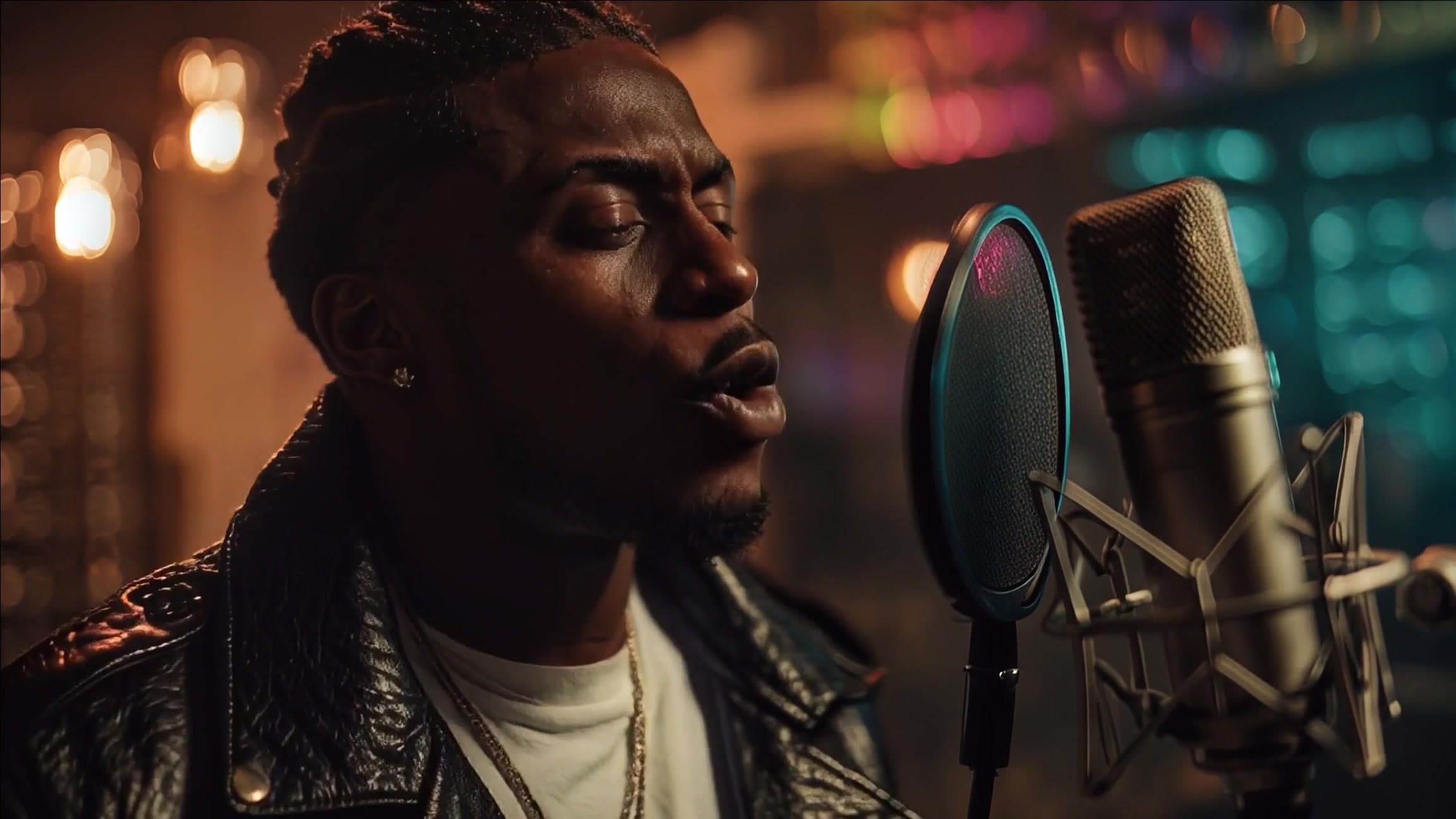
DistroVid Spotify Music Video Guide (2026)
Review DistroVid pricing, Spotify eligibility, file requirements, delivery steps, timing, rights, and the cases where another route is better.
How to Upload a Music Video to Spotify
Choose the right Spotify delivery route, follow the upload steps, and prepare a music video with the correct format, rights, and metadata.
Spotify Canvas vs Music Video: Which Do You Need?
Compare Spotify Canvas and full music videos by purpose, format, access, upload path, and effort so you can make the right release asset first.